

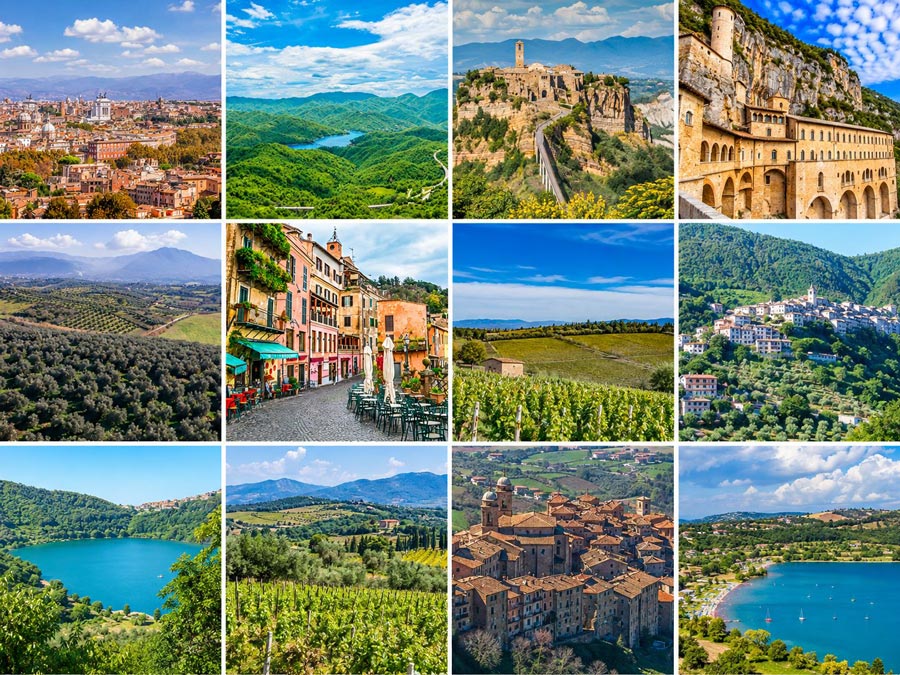
Different realities, one single story: from the Consorzio Tutela Vini Roma DOC, the Consorzio del Frascati, Cesanese del Piglio, Ricotta Romana DOP and Abbacchio Romano IGP, a project is born that involves over twenty of the most representative producers of Lazio.
The goal is to go beyond simply describing the product to bring the focus back to the places, the pastures, the vineyards, the gestures, the processing techniques, and the knowledge that continues to be passed down from one generation to the next.
Five Consortia, 550 wineries, and 413 farmers are involved in the narrative of a region that is a mosaic of territories, traditions, and gastronomic identities. This is the idea behind Lazio Roots, a project that for the first time unites the most representative entities of the region’s winemaking and agri-food heritage, connecting products, places, and people rooted in a shared history. Consorzio Tutela Vini Roma DOC, Consorzio Tutela Denominazioni Vini Frascati, Consorzio del Cesanese del Piglio DOCG, Abbacchio Romano PGI, and Ricotta Romana PDO: these are the five entities that play a leading role in this unified narrative of a land where viticulture, transhumance, and cheesemaking have been integral to the life of the communities for centuries, helping to define their identity and shape their landscape.
“Lazio’s food and wine heritage represents a strategic resource for our region’s economic growth and a fundamental element for strengthening the competitiveness of the agri-food system on national and international markets, ” highlights Giancarlo Righini . Councilor for Budget, Economic Planning, Agriculture and Food Sovereignty, Hunting and Fishing, Parks and Forests of the Lazio Region. – Our goal is to enable agricultural businesses to transform the quality of their production into new development opportunities, supporting the value of supply chains, protecting designations of origin, and achieving a more effective market presence. Lazio Roots represents an important initiative in this direction, and we hope that the project will gradually expand its membership base, involving an ever-increasing number of consortia and local producers. Teaming up means overcoming particularisms, leveraging the potential of our agri-food sector, and gaining greater market strength. As the Lazio Region, we will continue to support this path, in the belief that a more united, structured, and representative supply chain can generate new growth opportunities for businesses and help strengthen the positioning of our excellence.
The goal is to go beyond simply describing the product to bring the focus back to the places, pastures, vineyards, gestures, processing techniques, and knowledge that continue to be passed down from one generation to the next. Lazio Roots was created precisely to make this continuity visible, an agricultural history described as early as the writings of Columella and Cato, and which continues to be told today through certified and recognizable products where tradition, quality, and territorial protection build new contemporary supply chains. The designations are not conceived simply as quality brands, but in their broader sense, as disseminators of a centuries-old agricultural and winemaking heritage that continues to thrive today thanks to teamwork, portraying Lazio as a production system in which profoundly diverse territories are linked by a common history.
“Lazio Roots is based on an important insight: our denominations gain even more strength when they stop being seen as isolated entities and become part of a shared history. Lazio is a mosaic of profoundly diverse territories, productions, and communities, yet united by agricultural and cultural roots that can also become a distinctive element in terms of promotion,” states Massimiliano Raffa, President of ARSIAL. Bringing together wine, livestock farming, dairy traditions, and large-scale certified production means building a more recognizable and competitive narrative. At ARSIAL, we want to support this networking ability, because the quality of our products also grows when it speaks to the region and the people behind it. The work of the Department of Agriculture and Food Sovereignty, led by Giancarlo Righini, offers a shared framework for this commitment: promoting regional products and strengthening opportunities for businesses and the regions of Lazio.
From the Castelli Romani to the coast, from the inland areas of Ciociaria to the Agro Romano, to Sabina and Tuscia, Lazio Roots builds a food and wine map where the five Consortia act as trailblazers for other local productions, presented in a dinner entirely Made in Lazio. These include: Onano Lentils PGI, Alto Viterbese Potatoes PGI, Roman Hazelnuts PGI, Prosciutto Amatriciano PGI, Pecorino Romano PDO from Lazio, Gaeta Olives PDO, Genzano Homemade Bread PGI, Olio di Roma PGI, Olio Sabina PDO, and Ratafia Ciociara PGI. On the wine side, Atina DOC and Marino DOC. Roma DOC and the Frascati appellations bring to the glass the connection between the capital and its centuries-old winemaking history, in a contemporary and more classic key. Cesanese del Piglio DOCG, on the other hand, tells the story of the Ciociaria region’s winemaking heritage, while, on the agri-food front, Ricotta Romana DOP and Abbacchio Romano IGP bring the narrative back to the pastoral dimension, to the cycles of transhumance and the profound connection between these practices and rural communities.
The appellations thus become the starting point for describing what precedes the arrival on the table: the landscapes, the vineyards, the flocks, the work of shepherds and winemakers, and the skills passed down in the cellars and dairies. The project thus presents itself as a starting point for new collaborations and synergies within the region. Same roots, a different way of telling them: it is from this idea that Lazio Roots takes shape, with the aim of building over time a shared narrative of a thousand-year-old food and wine heritage, recognizing its value not only from a nutritional perspective but also as an expression of regional cultural identity.