Italian wineries, Italian wine producers, and current wine news.
Italian Wineries
Argea resists tariffs and invests in “non-alcoholic” wines. The Argea group closed 2025 with a turnover of €462 million , essentially stable compared to the previous year despite its strong exposure to the US market. Its future strategy focuses on innovation and research, with investments in the non-alcoholic segment (low- or no-alcohol wines) and ready-to-drink products, categories increasingly in demand by new consumers.
Arunda undergoes a restyling: fewer labels and longer aging. The Alto Adige winery Arunda is launching a strategic review of its range: the number of labels has been reduced from 12 to 7 to focus on greater identity and quality. The Classic Method sparkling wines, aged between 36 and 60 months on the lees , showcase the uniqueness of the high-altitude aging process, among the highest in Europe.
Terre d’Oltrepò Winery: deliveries lower than expected. The industrial project led by Collis Veneto Wine Group has not yet received the expected number of grape deliveries. The final decision will be made by the liquidators. The matter remains central to the Oltrepò Pavese winemaking economy.
Valtidone Winery Wins Award at the 2026 Berliner Wine Trophy. The Piacenza-based winery has won two Gold Medals and two “Category IV” mentions at the international Berliner Wine Trophy competition. The 2020 Arvange Brut and Pas Dosé Metodo Classico sparkling wines, as well as the Colli Piacentini Malvasia DOC and Gutturnio Classico Superiore wines, received awards.
Pasqualino Di Prisco’s Campi Taurasini tells the story of Aglianico. The 2020 vintage of Campi Taurasini stands out for its balance and aromatic precision: spices, crisp fruit, including black cherry and blueberry, and ripe tannins. Only 6,000 bottles produced , this gastronomic wine authentically expresses the Irpinia terroir.
Casato Prime Donne: the vision of Donatella Cinelli Colombini. The Tuscan producer helped transform wine into a tourist experience by founding the Movimento Turismo del Vino (Wine Tourism Movement) and the Cantine Aperte (Open Cellars) initiative in 1993. Her winery, located between Montalcino and Trequanda, is also known for having created a winery with an all-female winemaking team .
Sandre celebrates 100 years of history The Sandre Agricultural Company will celebrate its centenary on May 24th with a day open to the public including tastings, music, and activities in the vineyards.
Italian Wine and Oenology
Historic turning point: Collio and Colli Orientali del Friuli unite. The two consortia have signed an agreement to create a temporary consortium (ATI) with the goal of jointly promoting one of the most prestigious regions for Italian white wines. This historic step ends over twenty years of division.
Italian wineries: stocks still high According to the Icqrf Cantina Italia report, in February 2026 wine stocks reached 58.6 million hectoliters , an increase of 5.8% compared to 2025. The data confirms a market with stable but slow demand.
Wine exports exceed 8 billion, but restaurants are very local. Italian wine is increasingly global in sales, but on restaurant menus the local dimension dominates: 70-75% of the labels come from the same region as the restaurant . The HoReCa channel represents approximately 55-60% of the value of the domestic market .
Asti DOCG: Sales Decline in 2025. The Asti Consortium closed the year with 75 million bottles sold (-9%) . Tariffs in the United States and the collapse of the Russian market are weighing heavily, while positive signs are emerging from growing demand in China .
Wine prices are rising sharply. According to a Go Wine survey, wine prices increased by an average of 32% between 2020 and 2025. Oscar Farinetti urges the industry to reflect on the sustainability of these prices, emphasizing the need to offer excellent yet accessible wines.
The role of consortia according to Alessia Travaglini For the Piedmontese producer, consortia must help companies simplify the communication of denominations , avoiding excessive fragmentation that is difficult to understand in foreign markets.
Aging techniques: wood, steel, cement, and amphora. Wine aging is a fundamental process that determines aromatic evolution and structure. Each material influences the wine differently:
- wood brings oxygenation and complexity
- Steel preserves freshness and aromatic purity
- cement ensures thermal stability
- the amphora promotes natural micro-oxygenation.
Alpine Nebbiolo and Erbaluce del Canavese Canavese emerges as a wine-growing area to be rediscovered, capable of producing wines with a strong identity linked to the history and culture of northern Piedmont.
Climate and the future of wine according to Cristina Mercuri MW For the new Italian Master of Wine, the main challenge for the sector is not the decline in consumption but climate change , which could redraw the global geography of viticulture.
International
Tensions in the Middle East and risks for Italian exports. The deteriorating geopolitical situation following the February 28 attack on Iran is slowing traffic in Gulf ports. Italian exports to the area are worth over €28 billion , making the region strategic for international trade.
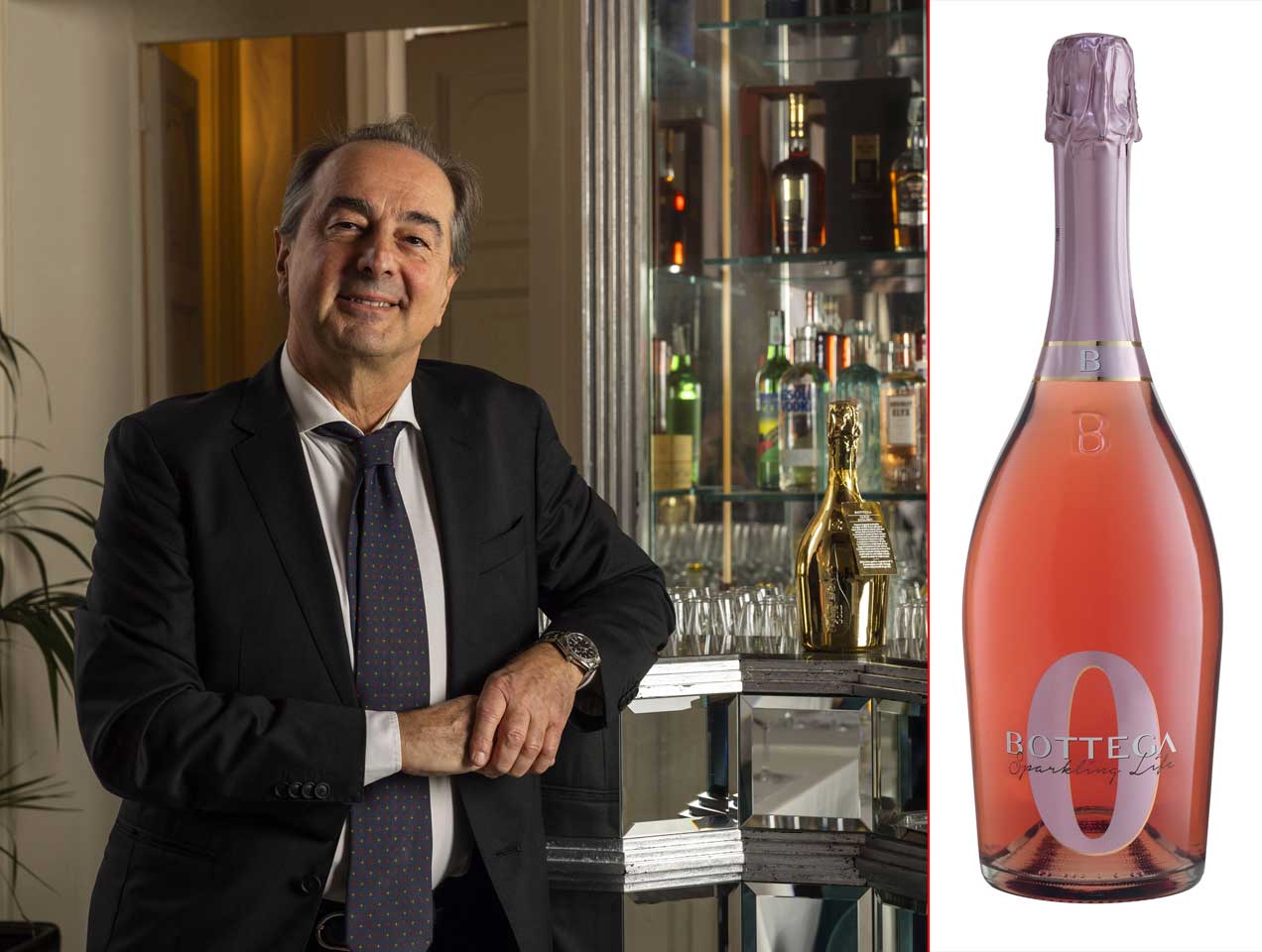
Containers blocked and orders suspended for Prosecco. Sandro Bottega reports 17 containers stuck in Middle Eastern ports , causing logistics costs to skyrocket and orders to be suspended. Geopolitical tensions threaten to impact inflation and trade flows.
Wine Events
Vinitaly and The City 2026 brings Verona to life. From April 10th to 12th, the city will host around 70 events, including tastings, masterclasses, wine talks, and guided tours . This year, Vinitaly’s off-site event is focusing heavily on wine tourism and the involvement of local wineries.
Conegliano Valdobbiadene Prosecco Spring From March 13th to June 14th, the Alta Marca Trevigiana will host the 31st food and wine festival dedicated to Prosecco Superiore DOCG, with 15 wine exhibitions and numerous cultural and gastronomic events.
The Great Verticals of the Cities of Wine The 2026 tour continues on March 12 in Cervignano del Friuli , with tastings dedicated to native wines and local food pairings.
Easter in the cellar at Monte del Frà The Veronese winery offers a spring experience that combines wine and chocolate , with a visit to the vineyards and a guided tasting.
The picture that emerges today is that of a sector that must become increasingly flexible and strategic : unstable markets, high inventories and new consumption habits are reshaping the wine landscape.
Those with a deep understanding of territories, denominations, and market dynamics—as is often the case with wine estate development—know that the most exciting opportunities arise precisely in moments of transition.
Wine, after all, works a bit like an ecosystem: it changes slowly, but when it evolves, it does so profoundly. Tomorrow, new news, new signals to decipher.