A network portal of Wine Idea. Discover the world of Wine idea

Wine press review for Saturday January 17 -2026

Wine news, Italian wineries and wines.

Italian wineries

  • Barone Pizzini presents a great new rosé and relaunches the Pinot Noir challenge in Franciacorta : extreme quality of the raw material is the key to competing with the great international rosés.
  • Cantina Girlan , the South Tyrolean paradox: a cooperative capable of producing elite wines and establishing itself on world markets starting from 200 members and 230 hectares of vineyards.
  • Fradiles Winery :
    • Domos de Pedra Mandrolisai DOC Rosato, freshness and immediate drinkability from a Sardinian sapling.
    • Memorias Creccherie Mandrolisai DOC Superiore, a cru wine from historic Gennargentu vineyards.
  • Count Vistarino : since 1850, the Pinot Noir that has set a precedent in Oltrepò Pavese, between history, know-how and sparkling blanc de noirs.
  • Tonnino – Baglio Ceuso (Alcamo DOC) : the myth of Ceuso and the modern vision of Alcamo between iconic reds and markets that today reward whites.

Italian wine and Italian oenology

  • Resistant grape varieties (PIWI) : There is growing interest in Prosecco and Pinot Grigio as a lever to reduce treatments and cope with extreme climates, but Italy remains behind in adopting them.
  • Organic vineyards are declining : conversion to organic vineyards has decreased by 8%. Climate change calls into question the economic sustainability of the organic model, especially in the North.
  • Cantina Italia Report – Masaf / ICQRF : high inventories (over 59 million hl of wine as of December 31, 2025) are raising structural alarm bells for the sector.
  • The 2026 scenario for Italian wine : stagnant consumption, a more selective balance, and limited growth. Competition hinges on marketing precision and consistent positioning.
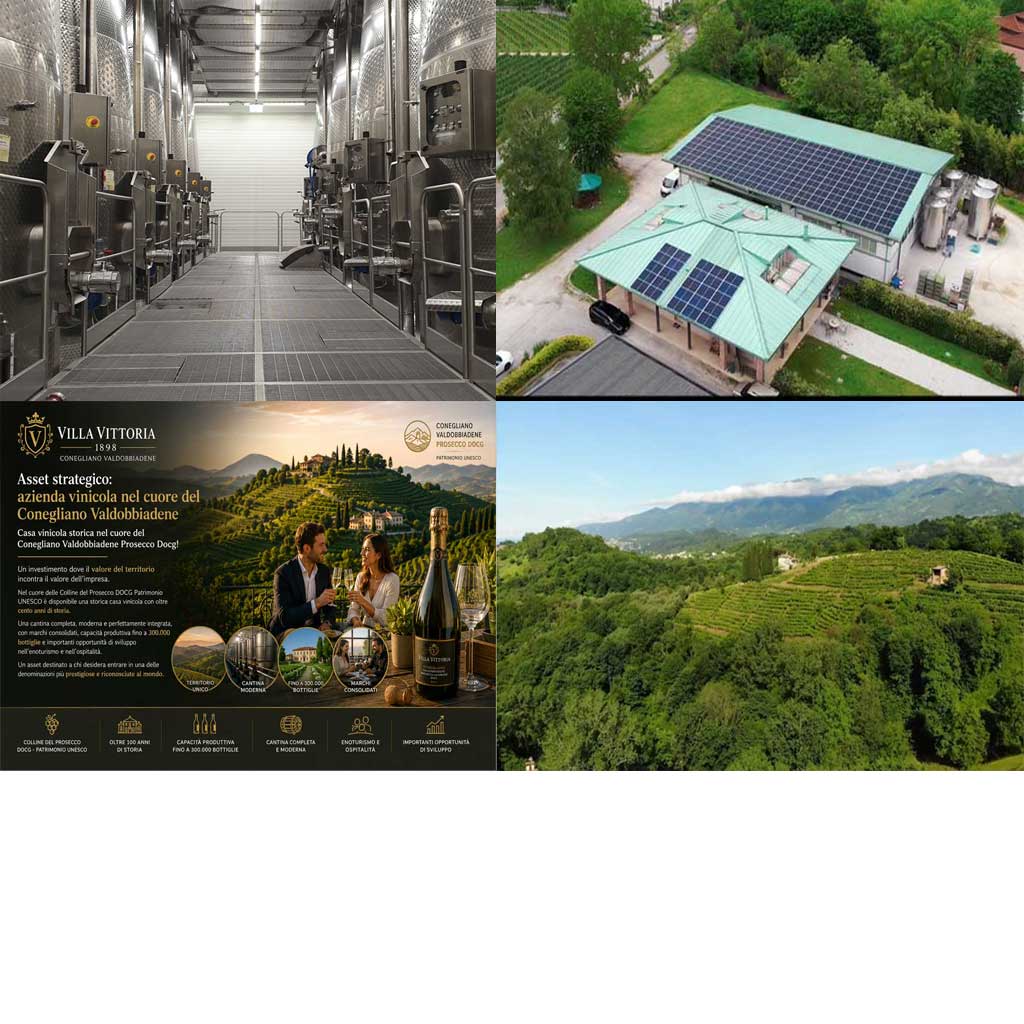
  • Veneto is a national leader : production and exports are growing, with Glera and the Prosecco system at the forefront. Vineyard area stands at 104,397 hectares, rising to 1,000 hectares by 2025.
  • Dry January and moderation : growing attention is paid to lighter wines, conscious consumption, and the cultural importance of wine at the table.
  • New mountaineers and Alpine viticulture : villages, mountain pastures, and historic DOCs such as Freisa and Doux d’Henry are being reborn in the Turin mountains.

International

  • Global alcohol crisis : from Campari to Diageo , sales stagnate and stocks are under pressure. The industry struggles to reach younger generations.
  • U.S., winery values plummet : According to a report by Silicon Valley Bank , values could drop as much as 40%. Sales recovery isn’t expected until 2028.

Wine events and wine culture

  • Slow Wine Fair : vineyard work, rights, and social inclusion at the heart of the narrative of “fair” viticulture.
  • The Other Tuscany : a preview on February 18th in Florence with 8 Consortia and a lesser-known but strategic Tuscany.
  • Slow Wine World Tour – Monaco : on January 19, 33 Italian producers and two Consortia will be attending a walk-around tasting for professionals.
  • 5StarWines – the Book : ten years of rigorous selection, celebratory edition at Vinitaly 2026.
  • Appunti diVini – “I Vini del Cuore” : fifth edition of the social guide created by Olga Sofia Schiaffino , between story, experience and community.
  • A weekend of wine and culture : tastings, art itineraries, and live music, including gelato, Marsala, and themed urban tours.

Thanks for listening. Today’s wine press review is brought to you by WINEIDEA.IT .

See you tomorrow.

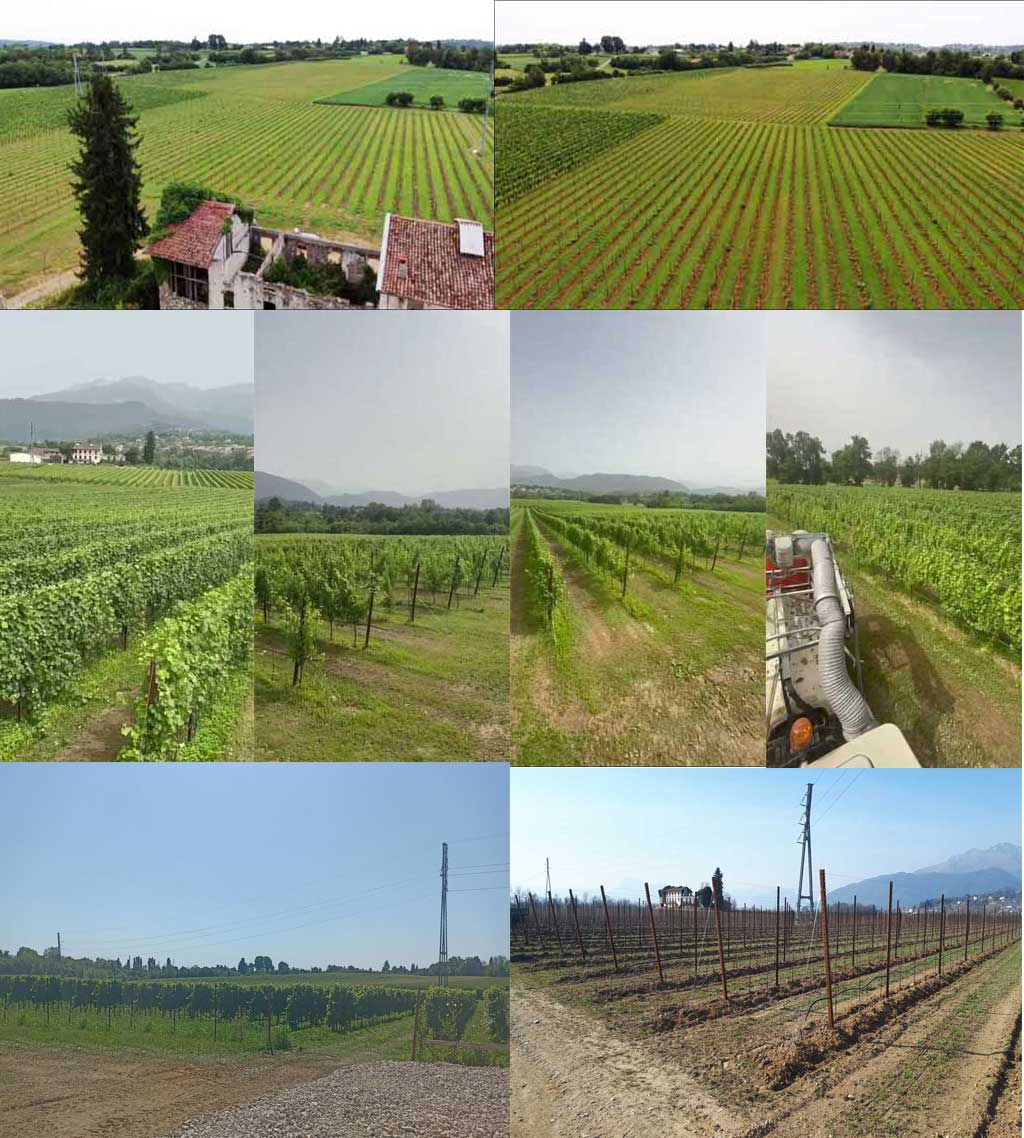
Agricultural Company – a strategic winemaking asset in Friuli Venezia Giulia

The company is not just a simple agricultural enterprise: it is an integrated, mature winemaking system, already positioned on international markets, located in one of the most interesting areas of Friuli Venezia Giulia for its balance between production, logistics, tourism, and quality of life.

Here the value is not theoretical: it is already expressed in numbers, structure and reputation.

The area: along the Strada Triestina, a crossroads of wine, tourism, and logistics

Palazzolo dello Stella is a historically well-suited agricultural area, with fertile soils, reliable water availability, and a microclimate tempered by its proximity to the sea. The Friulian Riviera is a quietly strategic territory: less overdeveloped than other areas, but with extremely solid fundamentals.

Position is a value multiplier:

  • • direct visibility on the main road for approximately 1 km
  • • a few minutes from the Latisana toll booth
  • • 15 minutes from Lignano Sabbiadoro and Bibione
  • • 45 minutes from Trieste airport and approximately 1 hour from Venice

This means constant tourist access , ease of direct sales, efficient logistics for export and Horeca, and a natural predisposition for structured wine tourism.

The structural strengths (the real “qualities”)

74 hectares in total , of which 52 hectares are vineyards, all drained and irrigated

• Broad and coherent varietal mix: Friulano, Chardonnay, Pinot Grigio, Sauvignon, Ribolla Gialla, Prosecco/Glera, native and international reds

Complete and sized cellar : 10,182 hl capacity, concrete and steel barrels, refrigeration systems, cooperage, champenoise room

• Production already marketed: 150,000 bottles/year 10,000 hl of bulk wine

• Complete agricultural machinery, fully operational vineyard

• Three wells (irrigation, services, geothermal at 32.5°): real water and energy autonomy

• Photovoltaic (100 kWh)

• Complex real estate assets: sales point, restaurant, bar on the seaside road, 12 apartments, manor house, warehouses, offices

70% export , channels already active with importers and distributors

Here you don’t “build” a company: you govern it .

Key numbers (order of magnitude)

Total turnover : ~4.0 M€

or Cellar: ~ 3 M€

o Point of sale: ~€480,000

– agritourism accommodations ~€200,000

o Rent: ~€70,000

• Residual debt: ~1 M€

  • • Requested lump sum value: €16 million

Numbers that tell the story of a real company, not a project on paper.

Who is it suitable for (clear buyer profile)

This property is suitable for those who:

  • • already manages a structured winery and is looking for an immediate production scale in the North-East
  • • is a wine or agri-food group that wants a direct presence in Friuli with already active exports
  • • is an industrial investor looking for a profitable agricultural asset, real estate and brands
  • • is an advanced wine tourism operator who wants to integrate wine, hospitality and catering in an area with a high seasonal flow
  • • is an entrepreneurial family that seeks continuity, not experimentation

This isn’t a company for those who want to “learn how to make wine.” You come here to manage.

Why is it on the market now?

Operations of this type come onto the market when:

  • • the business cycle has expressed its maximum operational potential
  • • the context requires a leap in scale, new governance or integration
  • • the property prefers to crystallize value rather than face a new investment phase

This is a typical time window for healthy companies, not those in difficulty.

What kind of operation is it?

This is primarily an integration and platform operation , with targeted relaunch options.

  • Integration : perfect for absorbing production, brands, storage capacity and already open channels
  • Platform : ideal base for developing further lines (sparkling wines, hospitality, private label, selective export)
  • Diversification : for those looking for an agricultural-industrial asset with real estate and tourist flows
  • Light, non-structural relaunch : here we optimize, not rebuild

Strategic synthesis

A farm is a complete, legible, and manageable asset. It doesn’t promise miracles, but it does offer operational certainties : land, water, cellar, markets, buildings, and territory.

In a market where many companies need capital to survive, this one needs a partner to grow or consolidate . And it’s a difference that matters.

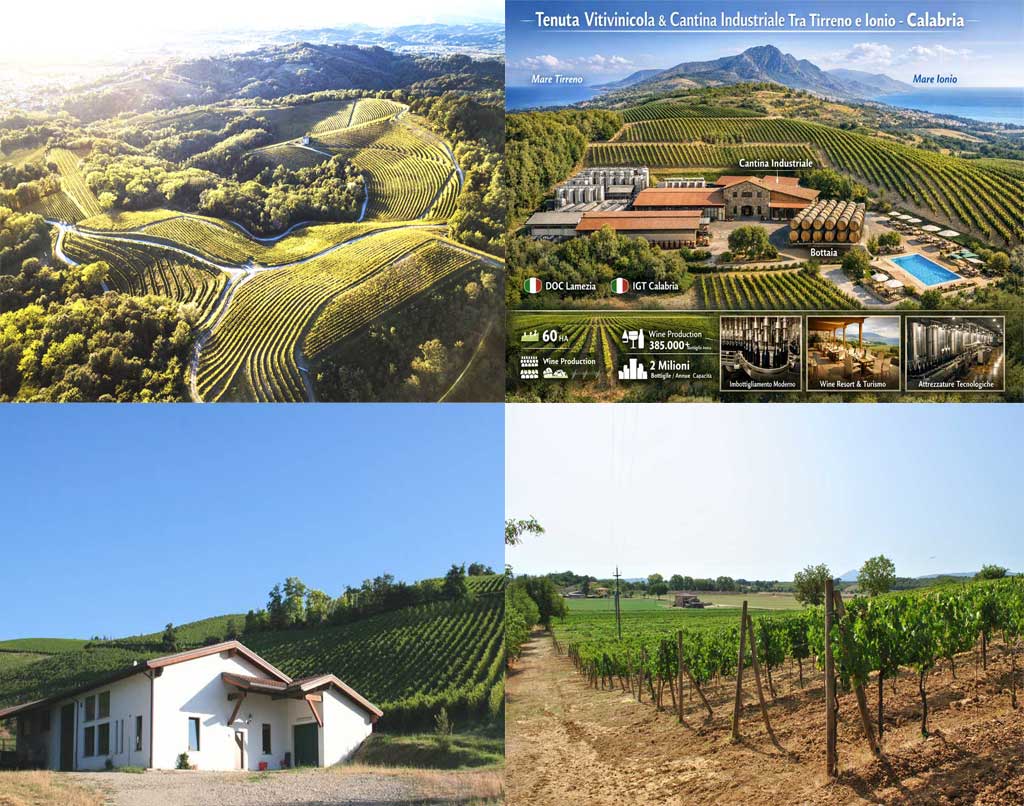
Strategic asset: winery, agricultural company, and wine tourism in the Castelli Romani – Ariccia!

This property should not be viewed as a simple “difficult” agricultural company; on the contrary, it is quite the opposite, as it is an agricultural, winemaking, and hospitality infrastructure already built, up and running, and expanding both structurally and in terms of wine marketing.

Located in one of Italy’s most important areas for market proximity, tourism, and storytelling: Rome and its historic hinterland.

Here the value is not only in the vineyard and the winery , but in the whole of location, history, structures, brands, sustainability and sales potential.

The territory: because here the context makes the difference

Ariccia and the Castelli Romani represent one of the oldest wine-growing areas in Italy, today in full phase of qualitative reinterpretation thanks to the DOC Roma , which has restored dignity and commercial prospects to historically undervalued productions.

The immediate proximity to Rome is not a logistical detail: it is a value multiplier for:

  • wine tourism,
  • destination catering,
  • corporate and private events,
  • direct sales and brand experience.

Very few Italian territories allow you to combine certified organic agriculture , real biodiversity and access to an international urban market of millions of people less than an hour away.

The structural merits of the asset

  • Total surface area ~20 hectares (196,000 m2) in a single body, with a prevalence of irrigated vineyards.
  • Intelligent agricultural mix : vineyards, olive groves, citrus groves, fruit orchards, vegetables, resilience and storytelling.
  • Certified products : DOC Roma, Castelli Romani, IGT Lazio and certified organic (Suolo e Salute).
  • New cellar, sized to grow : 1,300 hl total, with tanks, presses, autoclaves for sparkling wines, in-house bottling, recently built tasting room (2023/2025).
  • 1,000 m2 villa–agriturismo with restaurant and events, project approved for expansion, wellness and swimming pools ( renovation and spa construction works to begin in March 2026 ).
  • 77 kWh of photovoltaic systems built in 2025
  • Agricultural machinery for the complete mechanization of the vineyards (technical assets ~€500,000).
  • Registered trademarks (TENUTA SAN LEO and COMMODO): one national, one European.
  • Significant wine warehouse : bulk (~1,500hl), plus bottles, financial and commercial leverage.
  • Premium accessibility : Appia, Pontina, Nettunense, railway and authorization request for a helipad.

Who is it suitable for (clear buyer profile)

This company is perfect for:

  • Food & beverage/hospitality groups seeking an agricultural hospitality platform near Rome.
  • Wine entrepreneurs with industrial vision, capable of increasing production to 80–100,000 bottles per year.
  • Sophisticated wealth investors seeking a real asset that can be transformed into a wine tourism destination.
  • Experiential luxury operators (events, weddings, corporate retreats) who require authentic, uncontrived spaces.

It is not suitable for:

  • those seeking immediate income without management restructuring;
  • who lack the skills or governance to integrate agriculture, wine and hospitality.

Why is it on the market now?

The key fact is this: the company has just concluded the most expensive and risky phase .
New winery, facilities, energy infrastructure, brands, sales network: everything was done before reaping the financial benefits . The owners realized that this was an activity not suited to their business expertise.

Historical losses do not arise from structural inefficiency, but from:

  • advance investments,
  • volumes still deliberately limited,
  • focus on building the asset, not on cash flow.

The change of ownership now allows a new entity to enter downstream of the risk and upstream of the profitability .

What kind of operation is it?

This is a platform operation with relaunch and diversification , not a simple agricultural acquisition.

  • Platform : land, new cellar, brands, permits, hospitality.
  • Relaunch : volume growth up to 100,000 bottles, hospitality renovation, industrial margins.
  • Diversification : wine, oil, agritourism, events, direct sales, international tourism.

The sales methods (shares, Rent to Buy, closed gates) allow for flexible and structured entries , also ideal for progressive operations or joint ventures.

Final strategic summary

This company does not need to be “saved”.
It must be implemented and managed according to the principles of wine tourism profitability .

Anyone who joins today acquires:

  • an asset already 80% built for the project;
  • in a territory that sells itself;
  • with a credible biological positioning;
  • and a clear growth trajectory.

It is the classic case in which the value is not in the economic past, but in the already designed industrial future .

Contact: e.zago@quidquid.eu cell. 349 8142125

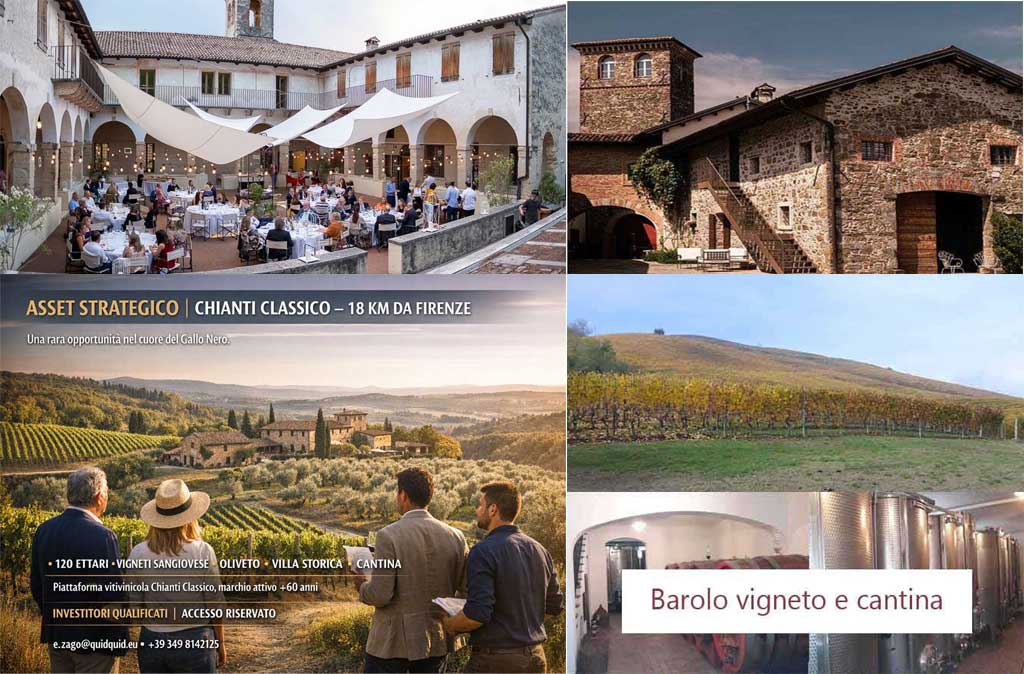
208-HECTARE AGRICULTURAL ESTATE IN NORTHERN LAZIO

DOC Vineyard, Hazelnut Groves, Arable Land, Woodland and Rural Hamlet – Municipality of Bomarzo (VT)

Nestled in the heart of Northern Lazio, along the slopes rising from the Tiber River towards Colle di Pian della Colonna, a prestigious 208-hectare agricultural estate — managed today under certified organic farming — is now available for sale.

A vast, well-structured and highly suited property, combining land value, productive potential and development opportunities across the wine, fruit and agro-energy sectors.

Land and Crops
The Estate presents a rare, well-organized productive layout in terms of both uniformity and scale:

  • DOC Vineyard “Colli Etruschi Viterbesi” – approx. 37 ha
    (red and white varieties; partially mechanisable vineyards; rootstock 1103P; predominantly high-cordon training systems)
  • Hazelnut Groves – approx. 56 ha total
    – New plantings: approx. 25 ha (2018, varieties Tonda di Giffoni, Tonda Gentile Romana, Nocciolone)
    – Historic groves: approx. 31.7 ha (planted 1969, densified 1985)
  • Olive Grove – approx. 1.8 ha (Frantoio, Leccino, Moraiolo)
  • Arable Land – approx. 16.8 ha, fertile soils within an irrigated area
  • Woodlands – approx. 79 ha, recently coppiced woods and ecologically valuable areas
  • Pastures and miscellaneous land – completing the agricultural framework, together with irrigated surfaces benefiting from an active water concession on the Vezza stream

A perfectly structured agricultural mosaic, with convenient access from SP19 and the Provinciale del Piano, and contiguous plots that ensure maximum operational efficiency.

Agronomic Suitability

  • Mixed alluvial (valley) and volcanic (plateau) agricultural zone: clay-sandy soils, optimal exposures, altitudes between 62 and 202 m a.s.l.
    • Excellent suitability for quality viticulture and irrigated arboreal crops.
    • Water availability ensured by two compliant wells and a thirty-year concession on the Vezza stream, equipped with a dedicated pumping station.

Buildings and Rural Hamlet

The Estate includes a significant collection of buildings, forming a true secondary operational hub:

  • “Borghetto” Complex (map sheet 9, parcel 128)
    Includes processing facilities, storage areas, former stable, former rural school, cellars, two historic dwellings (“Workers’ House” and “Gamekeeper’s House”), silos and various outbuildings.
    Total recoverable commercial area: over 1,100 sq.m.

– Ideal as the core for agritourism activities, premium residences or a next-generation agricultural operations center.

  • Additional agricultural structures scattered across the Estate: storage buildings, hangar, well cabin, manure storage and a large open stable of approx. 2,200 sq.m — perfect for equipment, shelter or productive reconversion.

Valuation

The overall value of the Estate — as resulting from the agronomic appraisal — is structured as follows:

  • Land: € 2,934,861.66
    • Buildings and annexes: € 819,630.00
    • Technical inventory: € 15,850.00

Total reference value: € 3,770,341.66

Why This Estate Is Unique

The property offers exceptionally rare dimensions for the area, a complete and highly suited agricultural profile, a long-standing farming history and all the strategic infrastructures required for modern management: DOC vineyard, expanding hazelnut groves, abundant water, internal road network, operational center and substantial recoverable volumes.

An ideal opportunity for:

  • Wine groups seeking a major production hub
    • Companies in the nut and agro-industrial sectors
    • Investors looking for a large land asset with rural-tourism development potential
    • Entrepreneurial families wishing to create a multi-generational Estate

For information, please call +39 349 8142125 or email e.zago@quidquid.eu

Error: Contact form not found.

Style Selector
Select the layout
Choose the theme
Preset colors
No Preset
Select the pattern